

Hours of Operation:
Monday through Friday: 8AM to 5PM
Saturday: By Appointment Only
Sunday: CLOSED
BED BUGS
Cimex lectularius
Video Courtesy of PestWorld via the National Pest Management Association
About
Feel free to move forward or backward on the image slider by clicking the red back or forward arrow, to view the images at your own pace.
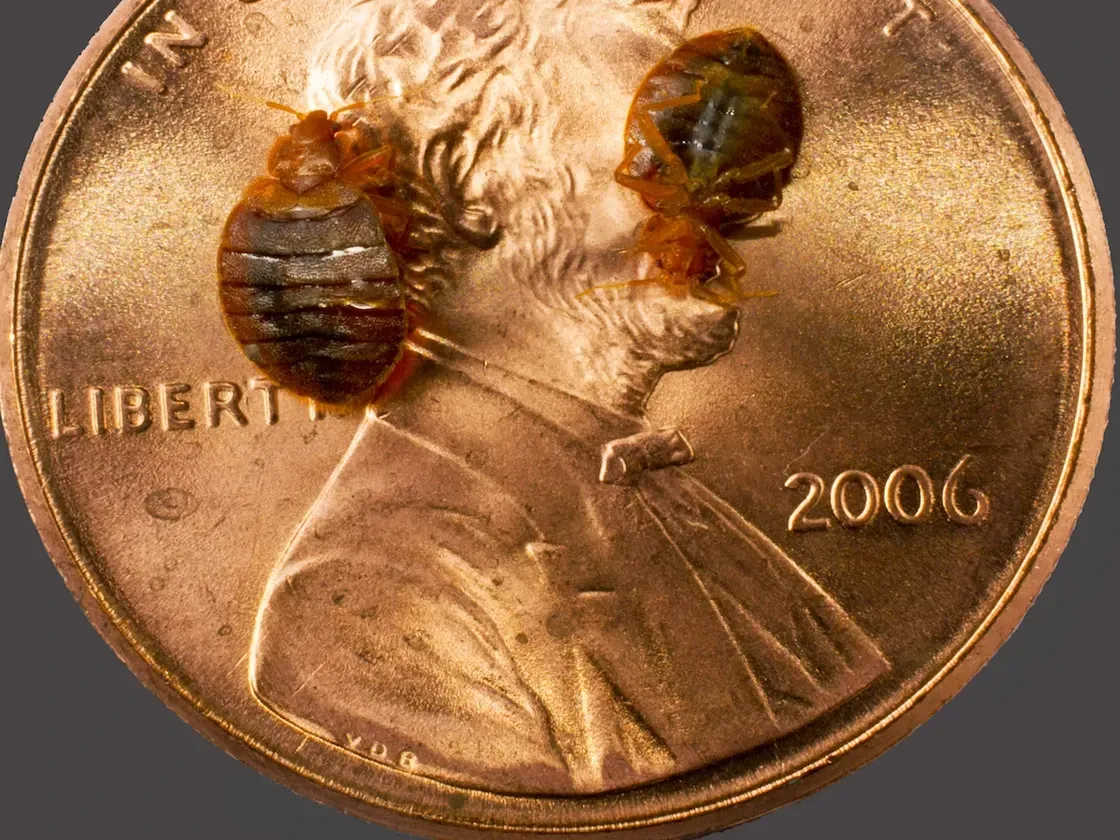
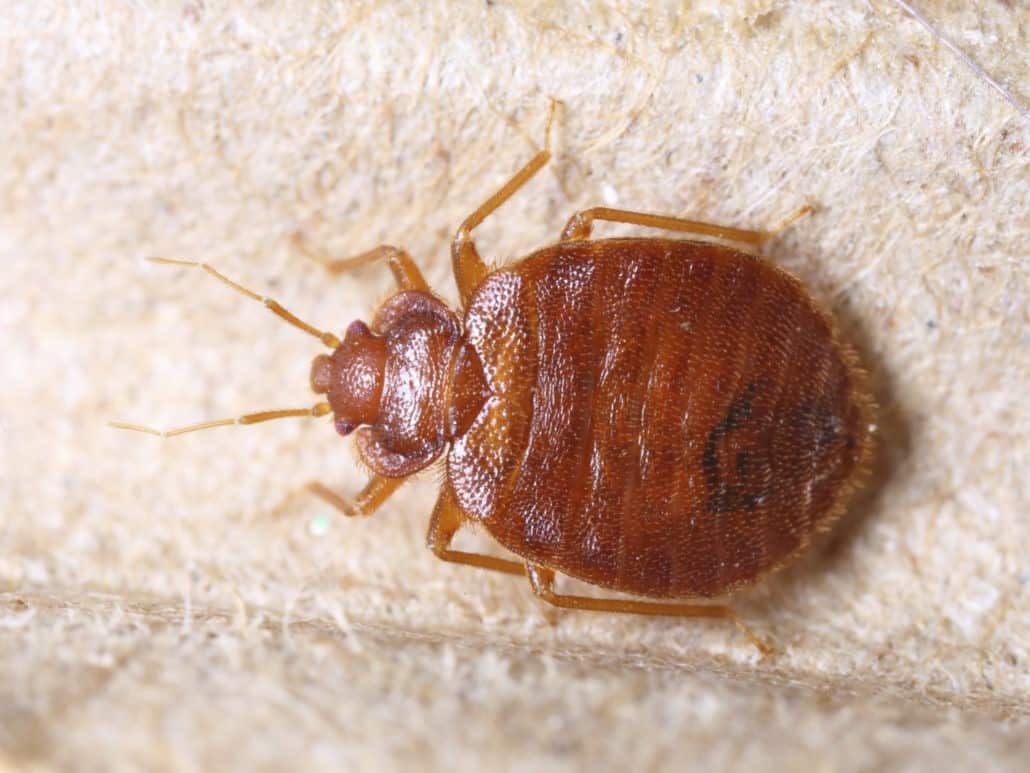
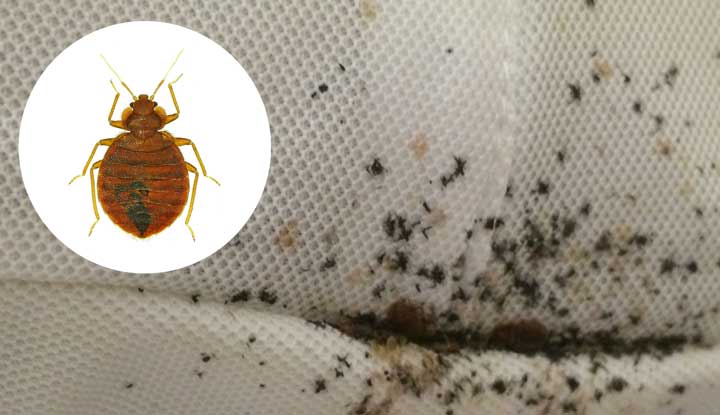
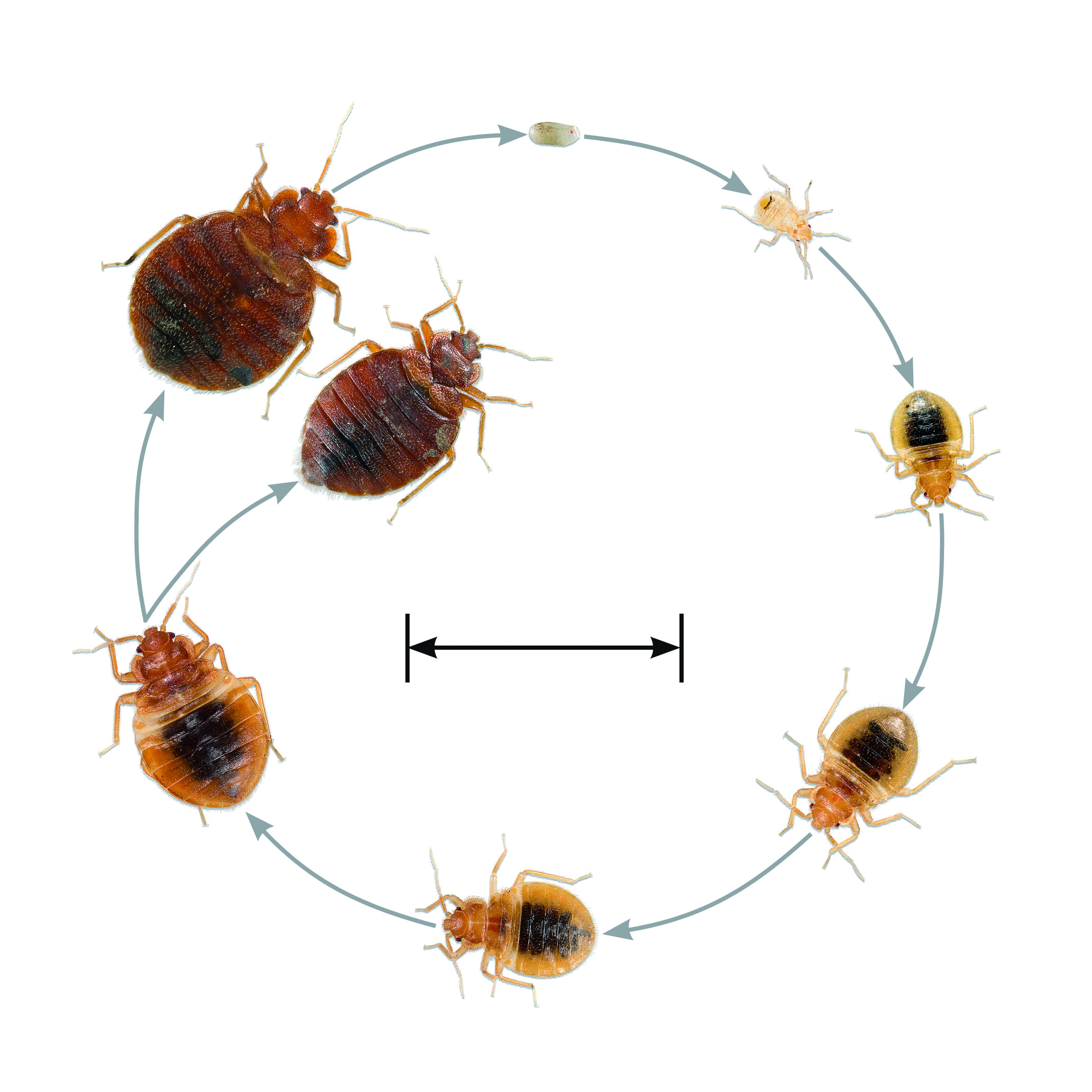
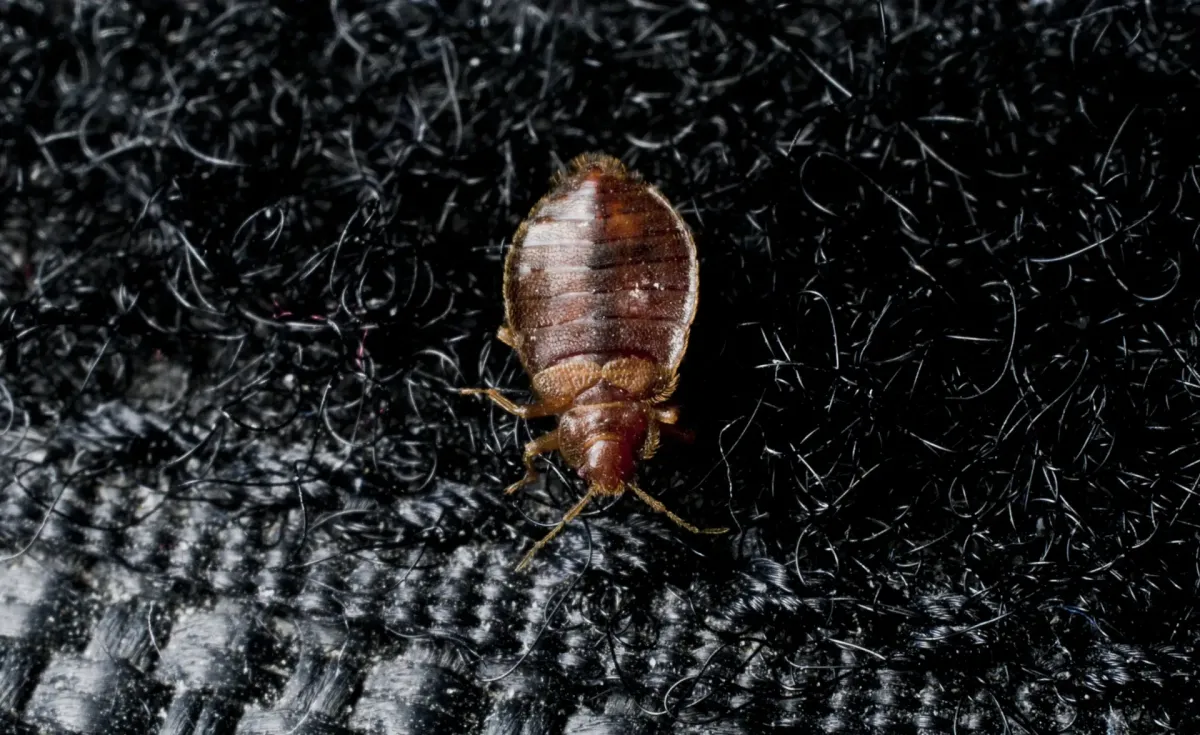
Bedbugs, scientifically known as Cimex lectularius, are small, elusive insects that have been tormenting humans for centuries. These blood-feeding pests undergo a fascinating lifecycle that begins with tiny, translucent eggs. Bedbug eggs are approximately 1mm in size and are typically laid in clusters, hidden in crevices, cracks, and other discreet locations near their preferred feeding sites. The female bedbug can lay hundreds of eggs in her lifetime, making infestations particularly challenging to eradicate.
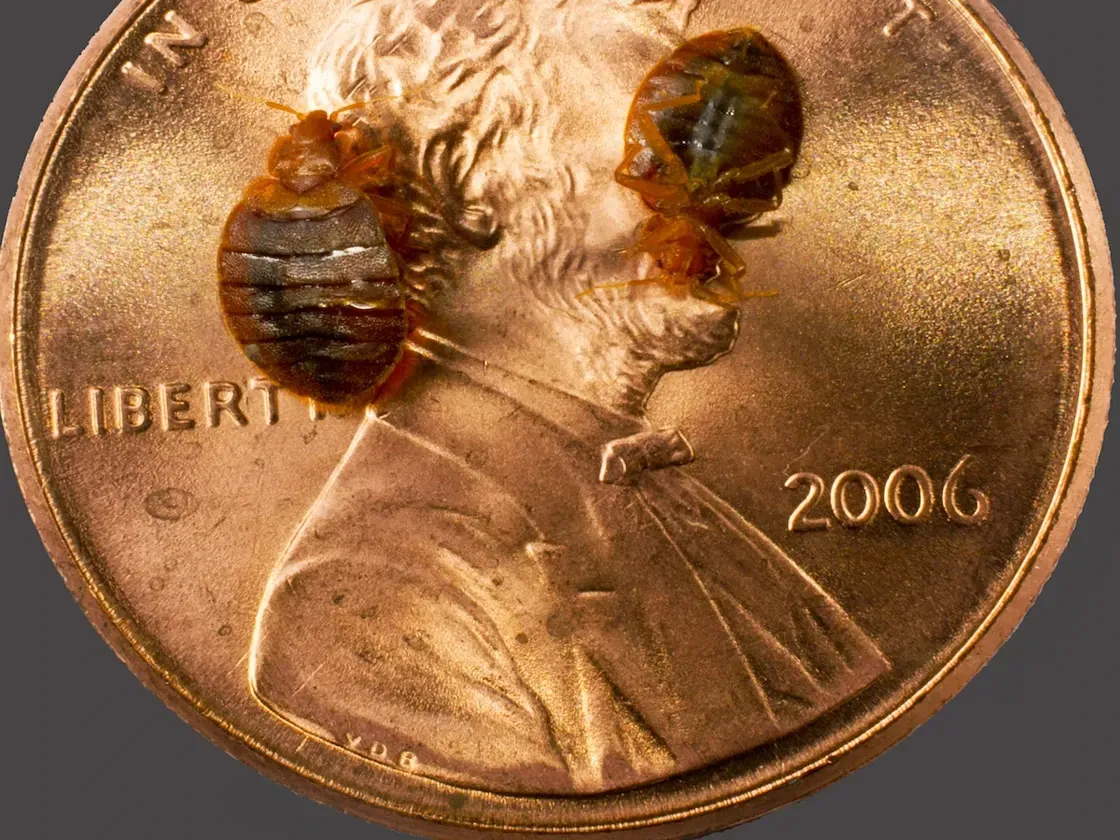
After a week or so, bedbug eggs hatch into nymphs, which are miniature versions of the adult bedbugs. Nymphs are pale in color and undergo several molting stages as they mature. With each molt, they become slightly larger and darker in color. Bedbugs are ectoparasites, meaning they feed on the blood of warm-blooded hosts, primarily humans. To complete their life cycle and reach adulthood, bedbugs require multiple blood meals, usually taking several weeks to months to reach maturity. Once they become full-grown adults, bedbugs are around 5-7mm in length and reddish-brown in color.
While bedbugs are not known to transmit diseases directly, their presence can have significant health implications. The primary health risk associated with bedbugs is their bites, which can cause itching, skin rashes, and allergic reactions in some individuals. Excessive scratching of bedbug bites can lead to secondary skin infections. Moreover, the psychological toll of a bedbug infestation can be severe, as it can cause anxiety, stress, and sleep disturbances for those affected. Additionally, some people may experience allergic reactions to bedbug saliva, exacerbating the discomfort caused by their bites. Overall, while bedbugs themselves do not carry diseases, their presence can have a detrimental impact on both physical and mental health, highlighting the importance of prompt and effective pest control measures.
Signs of Bed Bug Bites
Video Courtesy of PestWorld via the National Pest Management Association
Prevention

During Travel:
When traveling, inspect hotel rooms or accommodations for signs of bedbugs, such as tiny reddish-brown bugs, small dark fecal spots on bedding, or shed skins. Avoid placing luggage on the bed or floor, opting instead for luggage racks or a bathroom countertop. Consider using bedbug-proof luggage liners. Upon returning home, unpack your luggage outside or in an area where bedbugs are less likely to hide, and wash all clothing, even those unworn, in hot water and dry them on high heat. Vacuum your suitcase thoroughly before storing it.
In and Around the House:
Regularly inspect your home for any signs of bedbugs, such as small reddish-brown insects, tiny eggs, or dark spots on bedding, furniture, and walls. Reduce clutter to minimize potential hiding spots for bedbugs. Use bedbug-proof mattress and box spring encasements to prevent infestations in these areas. Seal cracks and crevices in walls, floors, and furniture to eliminate potential hiding places. Regularly vacuum carpets, upholstery, and other potential hiding spots for bed bugs. Be cautious when acquiring secondhand furniture, clothing, or bedding, as they can introduce bedbugs into your home. If you suspect a bedbug infestation, seek professional pest control services promptly to prevent further spread.
By implementing these preventative measures both at home and while traveling, you can significantly reduce the risk of a bedbug infestation and maintain a bedbug-free living environment.
Effective Treatments

Sleep Tight 800 Thermal Remediation
Professional Pest Control Services: Hiring a licensed pest control professional with expertise in bedbug eradication is one of the most effective approaches.
Chemical Treatments: Pest control professionals use specialized insecticides for bedbug control, applied to infested areas.
Heat Treatments: Raising the temperature in infested areas to lethal levels for bedbugs, a method that can penetrate hidden spaces. (Most effective method)
Steam Treatments: Using steam to kill bedbugs and their eggs on contact, particularly effective for mattresses, furniture, and cracks.
Vacuuming: Regular and thorough vacuuming can help remove bedbugs and their eggs from various surfaces.
Washing and Drying: Laundering infested bedding, clothing, and linens at high temperatures to kill bedbugs and their eggs.
Mattress and Box Spring Encasements: Using bedbug-proof covers to trap and isolate bedbugs on mattresses and box springs.
Decluttering: Reducing clutter in living spaces to eliminate hiding spots for bedbugs.
Freezing: Extreme cold can kill bedbugs and their eggs; however, it requires exposure to very low temperatures for an extended period.
Diatomaceous Earth: A natural, non-toxic powder that can be sprinkled in infested areas to dehydrate and kill bedbugs over time.
Silica Gel Desiccants: Similar to diatomaceous earth, silica gel desiccants dehydrate bedbugs and are often used as a non-chemical option.
Insect Interceptor Traps: Placing bedbug traps under furniture legs to capture and monitor bedbugs' movement.
Natural Predators: Some beneficial insects, such as certain types of parasitic wasps, can help control bedbug populations in specific environments.
Cold Storage: For items that can be frozen, sealing them in a plastic bag and freezing them at -18°C (-0.4°F) for several days can kill bedbugs.
It's important to note that DIY treatments for bedbugs are often less effective than professional interventions, as bedbugs have become increasingly resistant to many over-the-counter insecticides. Effective bedbug control often requires persistence, cooperation with pest control professionals, and strict adherence to recommended treatment protocols to ensure the complete eradication of these persistent pests.

Copyright © 2023. Advanced Pest XT, LLC.
All Rights Reserved.